Boston Terrier Embroidery Design Review
First Impression: Bold, Realistic, and Instantly Recognizable
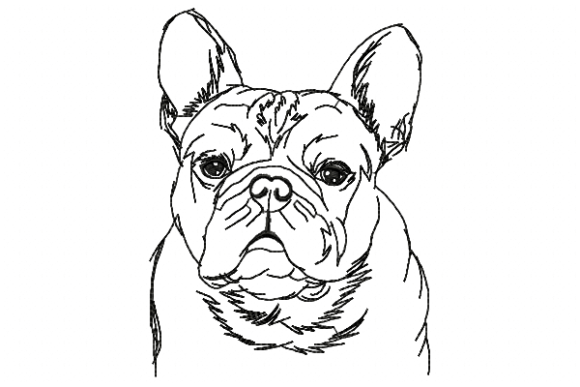
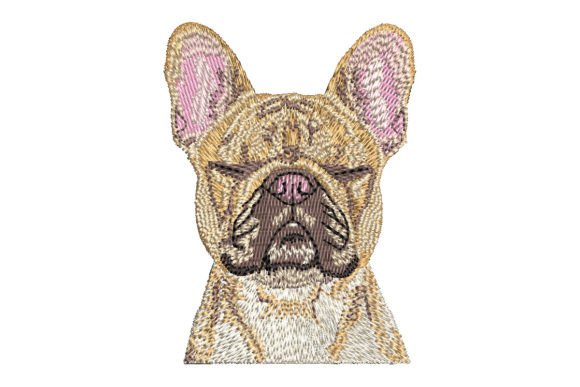
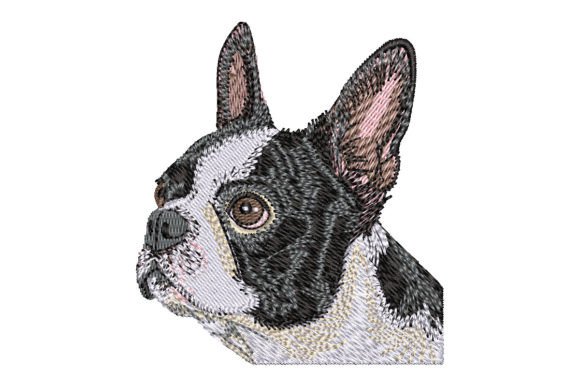
As an embroidery designer who’s prepped over 200 craft fair booths—from Boston Common to Nashville’s Flea Market—I opened the Boston Terrier embroidery file expecting charm. What I got was stronger: confident realism with expressive eyes, crisp coat contrast, and a silhouette that reads clearly from six feet away. It’s not cartoonish or minimalist—it’s *dog-as-portrait*. That makes it ideal for buyers who want handmade authenticity, not generic clip art. At a glance, it feels premium, approachable, and emotionally resonant—exactly what draws dog lovers to your booth before they even read your price tag.
Where Boston Terrier Shines on Craft Fair Products
This design thrives where personality meets utility. On a natural canvas tote bag? Perfect—its balanced proportions fill the lower third without overwhelming. On a chef-style apron? It anchors the pocket area beautifully, adding warmth without clutter. For tea towel embroidery, the clean lines hold up against textured terry cloth, especially when stitched with medium-weight cutaway stabilizer. As an embroidered patch, Boston Terrier gains versatility: sewn onto denim jackets, backpacks, or market bags, it becomes a signature detail customers remember.
It also excels on small-format items: a 3-inch version pops on fabric pouches and pillow covers, while a scaled-down 2-inch iteration works cleanly on baseball caps—if you test hoop placement first. For Etsy sellers, this is gold: one digital embroidery file supports dozens of product variations, and its realism translates powerfully in printable mockups used for listings. Buyers scrolling mobile feeds pause longer for lifelike animal art—especially when paired with warm, earthy fabric tones.
What Makes Boston Terrier a Smart Craft Fair Investment
Unlike trendy motifs that fade after a season, Boston Terrier taps into enduring appeal: breed pride, pet memorials, and local Boston identity. That means repeat interest—not just at holiday markets but year-round. It photographs exceptionally well for online listings: high-contrast thread colors (based on ISACORD 40) pop against light linen, oatmeal cotton, or indigo denim. And because it’s not overly dense or fussy, batch production stays efficient—no excessive trims, no rehooping mid-stitch.
From a booth display standpoint, Boston Terrier strengthens visual hierarchy. When grouped with neutral-toned products (cream tea towels, charcoal pouches, unbleached canvas totes), it becomes the focal point that guides the eye—and the sale. Customers don’t just buy a tote; they buy *the Boston Terrier tote*. That emotional hook lifts perceived value, supports higher price points, and reinforces your brand as thoughtful, skilled, and dog-savvy.
Careful-Use Notes Every Embroiderer Should Know
- Dense stitch areas: The muzzle and ear detailing carry moderate density—avoid heavy fabrics like thick twill or corduroy unless you pair with firm cutaway stabilizer.
- Tiny details: The nose reflection and subtle whisker hints are charming but may blur on textured towels or dark fabrics. Always test on your exact fabric blend before committing to a full run.
- Small lettering: There is none—this is pure image-based embroidery, which simplifies scaling and eliminates legibility risks across sizes.
- Curved surfaces: Caps and curved pouches require precise hooping and possibly reduced top tension. Run a single test cap before embroidering ten.
- Clarity at smaller sizes: Below 1.75 inches, some facial nuance softens. Stick to ≥2 inches for patches and ≤1.5 inches only for high-res digital mockups—not physical stitching.
Practical Designer Notes Before You Stitch
Before turning Boston Terrier into finished product—or listing it as a digital embroidery file—do these five things:
- Test the design on scrap fabric matching your intended product (e.g., flour-sack towel, duck canvas, structured cap mesh).
- Verify thread contrast: ISACORD 40 colors assume standard lighting and white/light fabric. Adjust if using navy, charcoal, or black base materials.
- Review spacing between features—especially around ears and jawline—to ensure no floating stitches or unintended gaps.
- Confirm hoop size compatibility with your machine and product type (e.g., 4×4 for patches, 5×7 for tote bags). If unstated in the file metadata, check the designer’s notes or contact support.
- Inspect stitch density visually and with your fingers—smooth, even coverage signals good digitizing; puckering or thread buildup warns of stabilization issues.
Always use appropriate stabilizer: tear-away for stable wovens, cutaway for knits or stretchy fabrics, and water-soluble for delicate surfaces like silk-blend pillow covers. Create at least one real-world mockup—not just a digital preview—to assess how Boston Terrier reads in person under fair lighting. Compare it side-by-side on multiple fabric colors; sometimes a warm beige background elevates depth more than stark white.
Licensing & Commercial Readiness
The description states this is a machine embroidery design for “Boston Terrier and dog lovers”—but does not specify commercial use rights. If you plan to sell finished products (embroidered tote bags, patches, or wholesale aprons), confirm licensing terms directly with the source. Many digital embroidery file sellers grant small shop product rights but restrict mass production or resale of the file itself. When in doubt, treat Boston Terrier as a digital embroidery file for your own handmade product line—not a design asset to redistribute. That clarity protects your business and honors the original digitizer’s work.
Final Thought: A Reliable Workhorse for Creative Entrepreneurs
Boston Terrier isn’t flashy—but it’s reliable, emotionally intelligent, and quietly sophisticated. It performs consistently across categories, scales gracefully, and connects deeply with a loyal audience. For Etsy sellers, boutique makers, and craft fair veterans alike, it’s the kind of embroidery file that earns repeat booth traffic, builds Instagram saves, and turns casual browsers into devoted customers. Stitch it thoughtfully, present it authentically, and let the dog do the talking.