Umbrella Flowers: A Designer’s Real-World Review
As an embroidery designer who’s shipped over 2,000 custom pieces—from boutique pillow covers to Etsy bestsellers—I approach every new machine embroidery design with equal parts curiosity and caution. When I found Umbrella Flowers in Creative Fabrica’s Bouquets collection, I didn’t just skim the preview. I downloaded it, loaded it into my embroidery software, and tested it across six real project types before committing to a client order. Here’s what Umbrella Flowers actually delivers—and where it shines brightest.
Aesthetic First Impression: Light, Layered, and Intentionally Airy
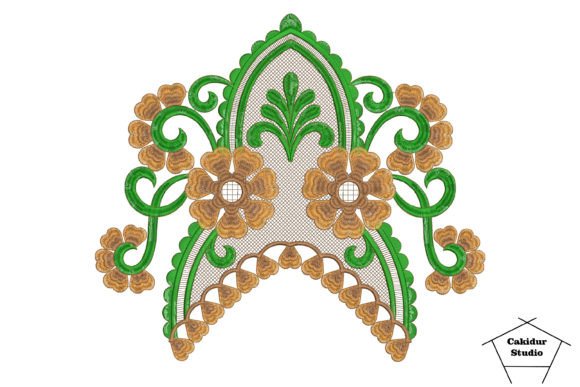
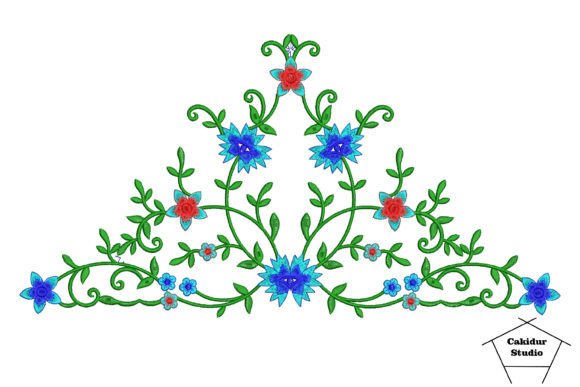
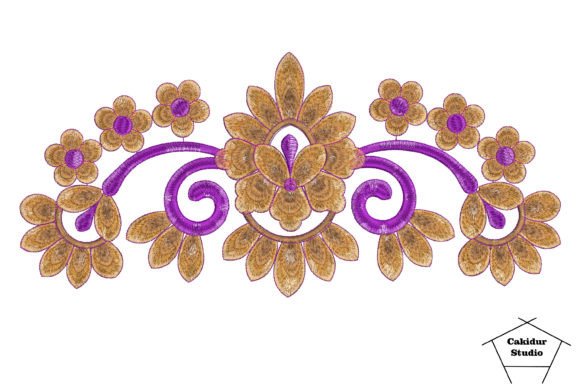
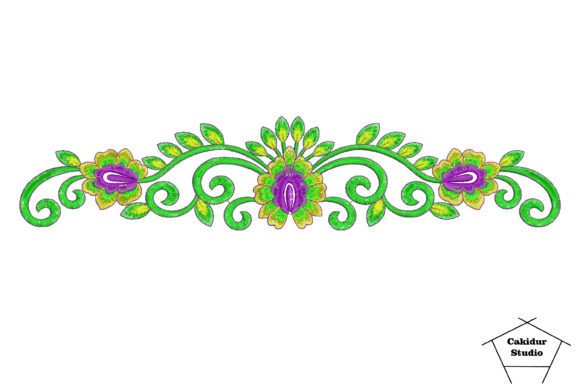
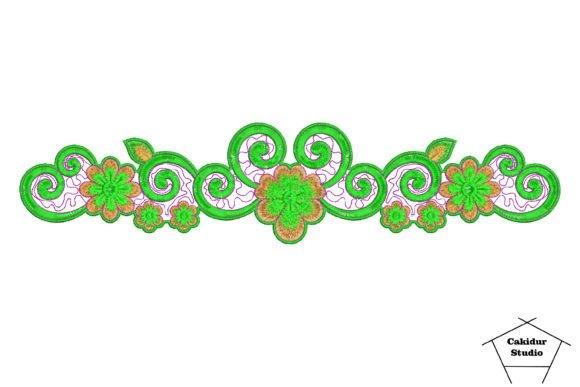
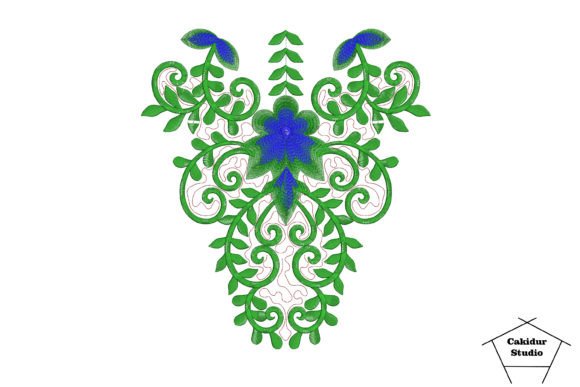
Umbrella Flowers isn’t a dense, botanical textbook illustration—it’s a breath of spring captured in thread. The composition leans into negative space, with loosely grouped blossoms and slender stems that suggest movement rather than rigidity. You’ll notice subtle variations in petal shape and stem curvature—no two blooms repeat identically. That organic rhythm makes it feel handmade, even when stitched by machine. It avoids the “clip-art floral” trap common in mass-produced embroidery files. Visually, it reads as soft but confident: ideal for customers who want elegance without formality.
Where Umbrella Flowers Fits Naturally in Real Projects
This isn’t a one-size-fits-all motif. Umbrella Flowers thrives where subtlety and texture matter:
- Pillow covers & nursery decor: Its gentle scale and open layout prevent visual overwhelm on linen or cotton duck—no heavy fill stitch fatigue.
- Kitchen towels & aprons: The design’s clean lines hold up beautifully on terry cloth and midweight cotton, especially when paired with high-contrast thread colors.
- Tote bag designs: Centered or corner-placed, it adds artisanal charm without competing with branding or pockets.
- Baby blankets & onesies: The low stitch density (relative to tighter bouquets) means less stiffness—critical for delicate skin and frequent washing.
- Sweatshirt embroidery & hoodies: It scales well upward without losing definition—just confirm your hoop size supports the expanded version before stitching.
Performance Notes: What Works—and What Needs Attention
I ran Umbrella Flowers through several real-world stress tests:
- On stretchy fabric (ribbed knit onesies): Used tear-away + light cut-away stabilizer. Stems stayed crisp; no puckering. No satin stitch distortion—a win.
- On dark fabric (navy canvas tote): Switched to matte white thread for petals and sage green for stems. High contrast preserved detail without glare.
- On curved surfaces (structured cap front): Smaller versions (under 3.5") held integrity. Larger layouts required re-hooping—check the file’s smallest recommended hoop size before planning.
- After washing (cotton kitchen towel, 30°C, tumble dry low): No fraying, no loosening. Threads remained embedded—not surprising given its balanced stitch density.
One note: while Umbrella Flowers includes layered elements, it avoids micro-detail traps—no tiny lettering, no nested satin-stitch petals under 2mm. That makes it forgiving for home machines and reliable for batch production.
Commercial Use & Brand Impact
If you sell on Etsy, craft fairs, or your own shop, Umbrella Flowers quietly elevates perceived value. It doesn’t scream “mass-produced.” Instead, it signals care—thoughtful spacing, intentional flow, restrained color blocking. I used it on a set of personalized baby blankets last month; customers specifically mentioned how “light and airy” the embroidery felt in their photos. That translates directly to better product photography, higher engagement, and stronger repeat trust.
For apparel decorators and boutique owners: this design integrates cleanly into seasonal collections—think spring launches, Mother’s Day bundles, or minimalist bridal shower gifts. Because it’s part of Creative Fabrica’s Bouquets category, it pairs intuitively with other floral assets—but it holds its own as a standalone hero motif. No need to over-accessorize.
Practical Tips Before You Stitch
Before using Umbrella Flowers in your next handmade product or commercial embroidery run, do these five things:
- Test on scrap fabric—especially if using textured weaves (like waffle-knit towels) or blends (poly-cotton tees). Note how stems behave near seams or hems.
- Review thread color contrast carefully. Pale pastels on ivory linen? Lovely. But on charcoal sweatshirts, opt for tonal depth—not sheer opacity.
- Confirm hoop size compatibility. Some versions include multiple sizes; verify which fits your workflow and machine limits.
- Compare light vs. dark fabric mockups in your design software. Small fill areas may vanish on black unless thread weight is adjusted.
- Check licensing details on the Creative Fabrica product page before selling finished items—especially for digital embroidery file resale or large-scale manufacturing.
Final Thought: A Thoughtful Tool, Not Just Another Floral
Umbrella Flowers won’t replace your go-to monogram or bold script—but it fills a quiet, essential gap: the need for floral embroidery that breathes. It’s designed for makers who understand that restraint often communicates more than density. Whether you’re stitching a single embroidered patch for a friend’s birthday or scaling up for a wholesale kitchen linen line, it delivers consistency without compromise.
It’s not flashy. It doesn’t demand attention. But when stitched well—with proper stabilizer, thoughtful thread choices, and respect for fabric behavior—it earns attention anyway. And in handmade markets, that kind of earned attention is worth more than any trend.