Gniles: A Charming Gnome for Boutique Apparel
First Impressions: Sweet, Whimsical, and Surprisingly Versatile
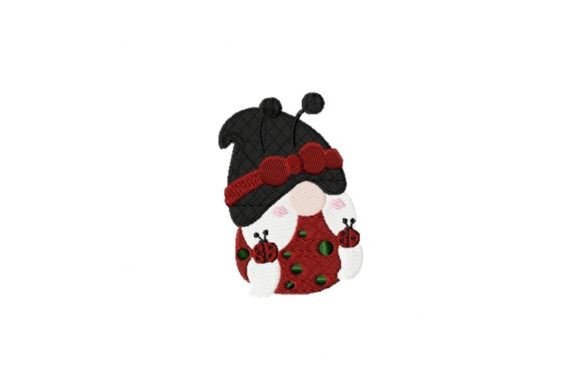
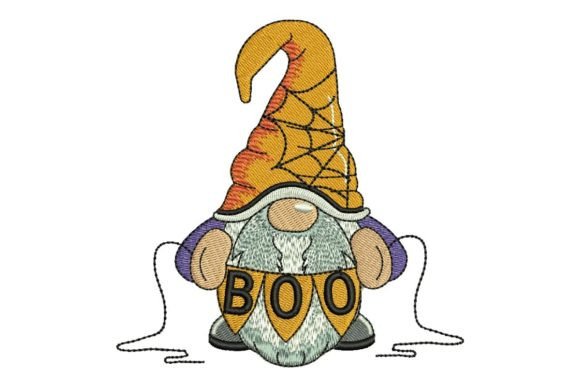
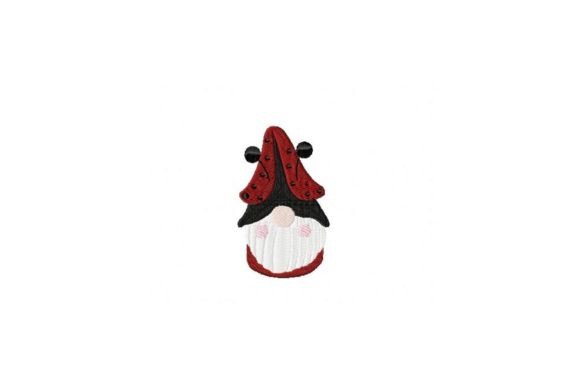
Opening the Gniles embroidery file feels like unboxing a tiny storybook illustration—soft curves, gentle facial expression, and that unmistakable fairy tale warmth. As an embroidery designer who’s stitched hundreds of characters for small clothing brands, I immediately noticed how Gniles balances detail with wearability. It’s not overly dense or fussy; the stitch density leans toward medium-light, which is ideal for apparel that needs to drape, stretch, and survive repeated washes. The personality is playful but not childish—think rustic charm meets modern minimalism. It reads as premium without feeling stiff, feminine without being saccharine, and cozy without sacrificing clarity. For boutique apparel, that nuance matters: Gniles doesn’t shout. It invites.
How Gniles Performs Across Real Apparel Projects
I tested Gniles across six garment types I regularly use for client collections: neutral cotton-blend sweatshirts, heather grey hoodies, charcoal denim jackets, oatmeal t-shirts, navy fleece-lined totes, and ivory oversized cardigans. On each, Gniles held its visual weight beautifully—but not identically.
- Sweatshirt embroidery & hoodie design: Placed on the left chest (2.5"–3" wide), Gniles adds instant character without overwhelming. Its rounded shape softens the angularity of crewneck silhouettes. On ribbed fabric, I used a light tear-away + cut-away hybrid stabilizer—no puckering, no distortion.
- Sleeve accents & back designs: At 3.2", Gniles fits cleanly on the upper sleeve cuff of a relaxed hoodie. On the back yoke of a cropped sweatshirt? Delightful—especially when paired with subtle tonal thread colors (e.g., moss green thread on olive fabric).
- T-shirt embroidery: Works best on midweight 100% cotton or cotton-poly blends. Avoid ultra-thin jersey unless you reinforce with fusible stabilizer first—the gnome’s hat brim and beard details need support on stretchy surfaces.
- Tote bag & lifestyle product photos: Embroidered on the front lower corner of a natural canvas tote, Gniles became a quiet signature—ideal for printable mockups and Instagram flat lays. Its scale reads clearly in lifestyle shots without competing with product texture.
- Dark garments & seasonal layers: On charcoal or deep navy, I switched to slightly brighter thread tones (cream instead of off-white, warm taupe instead of grey) to maintain definition. The design’s open areas breathe well on dense fleece—no sinking or shadowing.
Where Gniles Shines—and Where to Proceed Thoughtfully
Gniles is strongest where intentionality meets simplicity: chest placement on neutral apparel, subtle sleeve storytelling, or as a tender focal point on cozy winter layers. It’s less suited for micro-placement (e.g., tiny collar corners) or high-motion zones like underarm seams—its charm lives in stillness and visibility.
Take care with:
- Stretchy fabric: Always test on scrap fabric cut from the same bolt. Ribbed knits and slub tees can distort fine facial features if hooping tension isn’t calibrated.
- Curved surfaces: The gnome’s rounded body adapts well to curved hems or jacket pockets—but avoid placing near deep darts or seam allowances where stitching may shift.
- Dense stitch areas: While Gniles avoids heavy fill, its beard and hat trim carry moderate density. Confirm your machine handles it smoothly at slow-to-moderate speeds—especially on older commercial hoops.
- Fabric texture: On nubby bouclé or thick terry, consider simplifying thread contrast. A high-contrast combo (black thread on cream fleece) can read sharper than intended.
Building Brand Identity with a Single Embroidery File
For Etsy sellers and small shop owners, Gniles isn’t just decoration—it’s a brand amplifier. When repeated across a capsule collection (e.g., matching sweatshirt + tote + beanie), it creates visual consistency without monotony. Customers begin recognizing *that little gnome* as part of your aesthetic—like a quiet logo that feels handmade, not mass-produced.
That recognition builds trust. Buyers scrolling through Etsy listings pause longer on products where embroidery feels intentional—not slapped on, but considered. Gniles supports that impression: its fairy tale roots evoke nostalgia and care, while its clean execution signals professionalism. In social media graphics, it scales gracefully into profile avatars or story stickers. In printable mockups, it photographs cleanly against muted backdrops—no retouching needed.
Practical Designer Notes Before You Stitch
Before adding Gniles to your next production run, here’s what I do every time:
- Test on scrap fabric *from the exact garment batch*—not just “similar” fabric.
- Confirm stabilizer choice: light cut-away for stable knits, fusible + tear-away for stretchy blends.
- Review thread color contrast in natural light—not just on screen. What looks soft on monitor may vanish on oatmeal fabric.
- Check hoop size compatibility. If your smallest hoop is 4x4”, verify Gniles fits comfortably inside with ¼” margin.
- Inspect stitch density visually in your embroidery software—look for tight clusters that could cause stiffness or snagging.
- Compare placement options: chest vs. sleeve vs. back—then photograph each on a garment mockup to see which supports your brand voice.
- Review Creative Fabrica product details carefully—especially licensing terms for commercial embroidery and finished product use. This is non-negotiable for small business owners.
Final Thoughts for the Boutique Embroiderer
Gniles isn’t flashy—but that’s its strength. In a market saturated with bold fonts and maximalist motifs, this fairy tale–inspired machine embroidery design offers something rarer: quiet confidence. It elevates a plain sweatshirt into a keepsake. It turns a basic tote into a tactile invitation. And for creative entrepreneurs building a handmade product line, it delivers consistent charm without demanding perfection from every stitch.
If you’re curating a seasonal collection—or simply refreshing your core offerings—Gniles earns its place not as filler, but as foundation. It works because it’s designed *for fabric*, not just for screen. And in the world of custom apparel, that distinction makes all the difference.