Bats: A Craft Fair-Ready Halloween Embroidery Design
First Impression: Bold, Festive, and Instantly Recognizable
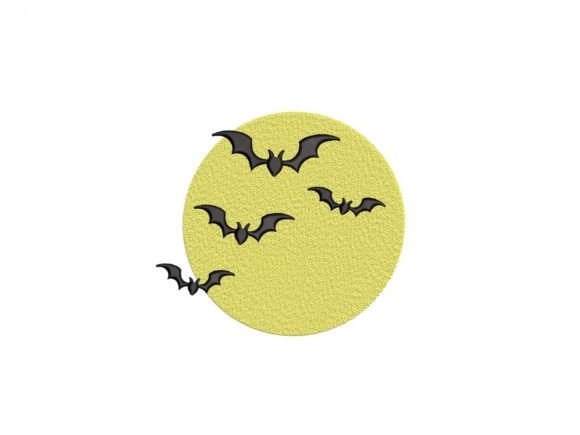
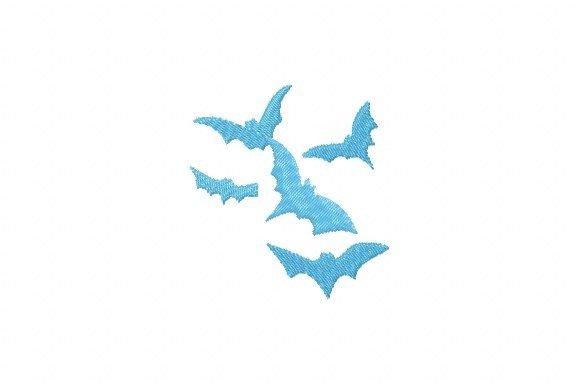
As an embroidery designer who’s prepped over 200 craft fair booths—and sold thousands of handmade products—I opened Bats expecting a cliché. Instead, I got clean lines, confident negative space, and just enough detail to feel intentional without veering into fussy. It reads as bold and festive, not spooky or juvenile—perfect for the broadest Halloween audience: teens buying caps, moms grabbing tea towels, boutique owners curating seasonal home goods. It doesn’t lean rustic, farmhouse, or minimalist—it stands on its own as a modern holiday motif with visual weight.
Where Bats Shines on Real Craft Fair Products
This isn’t just another digital embroidery file you’ll stash in a folder. Bats is built for visibility and versatility across high-turnover craft fair items:
- Tote bag design: Large-scale placement (centered or lower corner) pops instantly—especially on natural canvas or black cotton. Customers pause mid-aisle because it reads clearly from 6 feet away.
- Apron embroidery: Works beautifully above the pocket or centered on the bib. Its balanced proportions avoid overwhelming the garment while still feeling like a premium handmade product.
- Tea towel embroidery: Holds up even on textured terry or waffle weave—no lost detail if stitch density is managed. A single Bats near the hem adds personality without competing with towel function.
- Embroidered patch: Cuts cleanly, presses flat, and sews easily onto denim jackets or market bags. Ideal for bundling as a small shop product or gift add-on.
- Caps and fabric pouches: Scales down well to 3–4 inches—retains legibility and charm. Avoid placing on curved cap fronts unless you’ve tested hoop clearance and fabric stretch.
- Pillow covers and market bags: Looks elevated, not costumed. Paired with neutral linen or oatmeal canvas, Bats feels intentional—not “Halloween costume,” but “curated seasonal living.”
What Makes Bats Sell—Beyond the Holiday Hook
Halloween sells, yes—but Bats sells because it photographs. Whether you’re building Etsy listings or snapping booth shots on your phone, it renders cleanly in natural light. No muddy shadows, no thread blending issues—just crisp contrast and confident shape. That translates directly to higher click-throughs and faster in-person decisions.
It’s also batch-friendly. The design flows consistently across fabric types and hoop sizes, so your first tote bag looks like your fiftieth. That reliability cuts setup time and boosts confidence during craft fair prep—no last-minute redesigns or stabilizer panic.
Most importantly, Bats supports brand consistency. If your shop leans modern, earthy, or playful, this embroidery file slots right in—no tone whiplash. It doesn’t scream “Halloween only.” Customers buy it in October, yes—but they also grab it for gothic-chic gifting year-round.
Practical Production Notes Every Designer Should Check
Before cutting fabric or loading hoops, run these checks—especially if you’re selling finished products:
- Test on scrap fabric that matches your final product (e.g., thick denim for aprons, looped terry for tea towels).
- Verify thread contrast—especially on dark fabric. Light gray or cream thread may disappear; opt for charcoal or navy for depth and readability.
- Review spacing and stitch density. Dense fill areas can pucker thin cotton or stiffen delicate linens. Adjust underlay or reduce density if needed.
- Confirm hoop size compatibility. Does Bats fit comfortably in your most-used hoop? If it pushes limits, plan extra hooping time—or simplify for speed.
- Choose the right stabilizer. Tear-away works for stable weaves; cut-away adds durability for stretchy knits or high-wear items like pouches and caps.
- Create at least one real mockup—not just a printable mockup. See how it drapes, how light hits the stitches, how it feels in hand.
- Compare fabric colors side-by-side. A bat on oatmeal linen reads differently than on charcoal twill—test both before committing to a full run.
- Confirm commercial licensing before selling finished products. This is a digital embroidery file—you must ensure it’s cleared for commercial embroidery use.
Careful-Use Considerations: Where Clarity Can Fade
Bats is strong—but not magic. Watch for these real-world pitfalls:
- Tiny details (like wing veins or eye highlights) may blur on textured towels or dense fleece unless stitch density and thread weight are dialed in.
- Small lettering isn’t present here—but if future versions add text, keep it above 8mm height for reliable readability on apparel.
- Thick or napped fabrics (like sherpa or heavy terry) require aggressive stabilizing and possibly reduced top thread tension.
- Curved cap surfaces demand precise hooping and often benefit from a cap frame—not just a standard hoop.
- Dark fabric demands careful thread selection. Metallic or pastel threads may vanish; matte, saturated tones hold up best.
- Small-scale applications (<5 inches wide) need simplified versions if original detail is too fine—always test before mass production.
Final Thought: Bats Is Booth-Ready, Not Just File-Ready
This isn’t just another machine embroidery design you download and hope for the best. Bats has presence. It commands attention without shouting. It elevates a $12 tea towel into a $24 handmade gift—and makes your craft fair booth feel cohesive, curated, and commercially sharp. For Etsy sellers, small shop owners, and embroidery business operators alike, it’s a rare find: a Halloween-themed embroidery file that sells beyond the season, scales across product categories, and delivers consistent quality in every finished product. Just remember: test, adjust, and trust your eye—not just the file preview. Your customers won’t see the .dst or .pes—they’ll see the craftsmanship, the mood, and the unmistakable appeal of Bats.